The Next Evolution of Artificial Intelligence Isn't Better Answers—It's Taking Action
If you've spent any time reading AI news lately, you've probably noticed a phrase appearing everywhere:
Agentic AI.
Technology companies are discussing it.
Investors are funding it.
Developers are building it.
Businesses are exploring it.
And many experts believe it represents the next major phase of artificial intelligence.
But despite the growing attention, most people still aren't entirely sure what Agentic AI actually means.
Some assume it's simply another name for AI agents.
Others think it's a more advanced chatbot.
And some believe it's just another technology buzzword.
The reality is more interesting.
Agentic AI represents a shift from AI systems that primarily generate information to AI systems that can pursue goals, make decisions, use tools, and take actions across multiple steps. Instead of responding once and waiting for the next prompt, these systems can continue working toward an objective while adapting along the way.
In simple terms:
Traditional AI answers.
Agentic AI acts.
That distinction may shape the future of software, business automation, productivity tools, and even how people interact with computers.
What Is Agentic AI?
Agentic AI refers to artificial intelligence systems designed to work toward goals rather than simply responding to individual requests.
Instead of producing a single answer and stopping, an agentic system can:
- Understand objectives
- Create plans
- Use tools
- Execute actions
- Evaluate results
- Adjust strategies
- Continue working until a goal is completed
Many current definitions emphasize that agentic systems combine reasoning, planning, memory, tool use, and feedback loops to accomplish tasks with limited human supervision.
Think about the difference between these two scenarios:
Traditional AI
You ask:
"How do I plan a marketing campaign?"
The AI explains the process.
You perform the work.
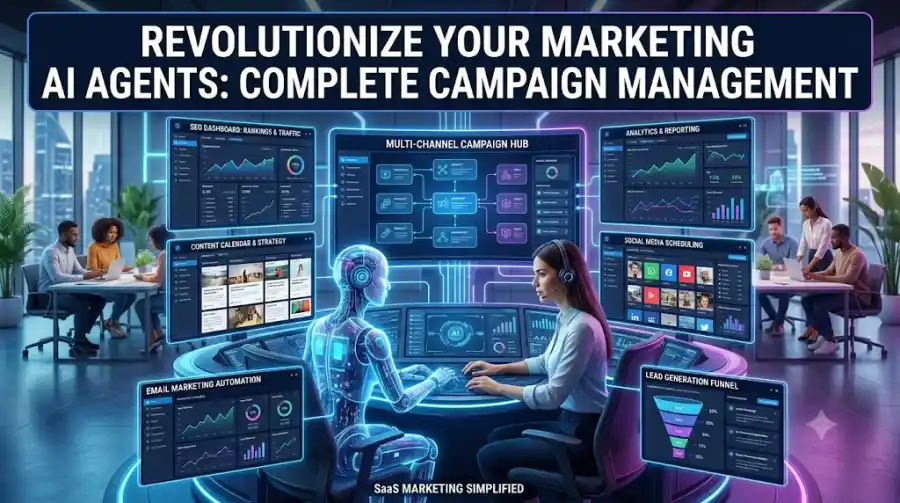
Agentic AI
You ask:
"Help me create a marketing campaign."
The system:
- Researches competitors
- Creates a strategy
- Drafts content
- Schedules tasks
- Tracks performance
- Adjusts recommendations
The AI becomes an active participant rather than a passive assistant.
Why Is Agentic AI Suddenly So Popular?
Agentic AI didn't appear overnight.
Several developments happened simultaneously:
Better Language Models
Modern AI models became significantly better at reasoning and following complex instructions.
Improved Tool Access
AI systems can now connect to:
- Browsers
- APIs
- Databases
- Email systems
- Calendars
- Business software
More Reliable Workflows
Developers learned how to build systems that combine planning, memory, tools, and oversight.
Growing Business Demand
Companies increasingly want AI that can complete work, not just generate content.
This combination helped transform AI from an information tool into an action-oriented system.
Agentic AI vs Generative AI
One of the biggest misconceptions is that Agentic AI and Generative AI are identical.
They're related, but not the same.
| Generative AI | Agentic AI |
|---|---|
| Generates content | Pursues goals |
| Responds to prompts | Takes actions |
| Produces text, images, code | Uses tools and workflows |
| Usually stops after answering | Continues until objective is completed |
| Focused on creation | Focused on execution |
Generative AI creates outputs.
Agentic AI uses those outputs as part of a larger system that can plan, decide, act, and adapt. Many experts describe agentic AI as extending generative AI through tool use, planning, and autonomous execution.
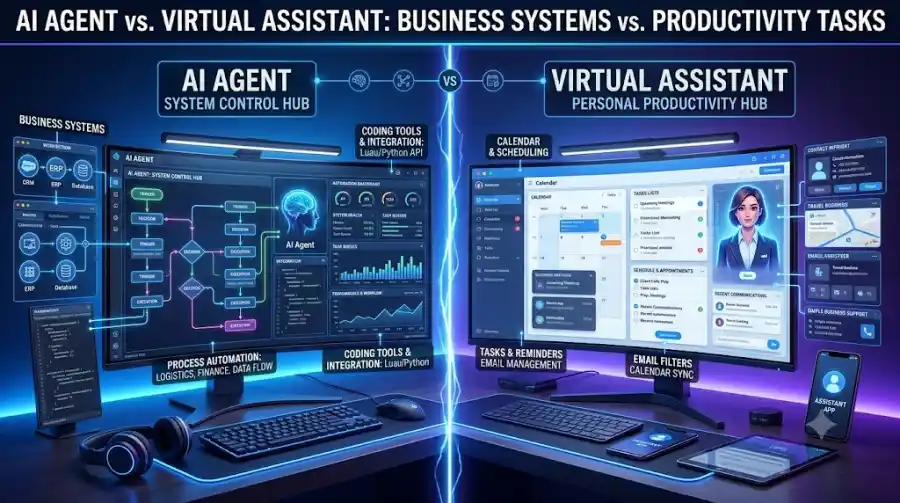
Agentic AI vs AI Agents
Another common question:
Are Agentic AI and AI Agents the same thing?
Not exactly.
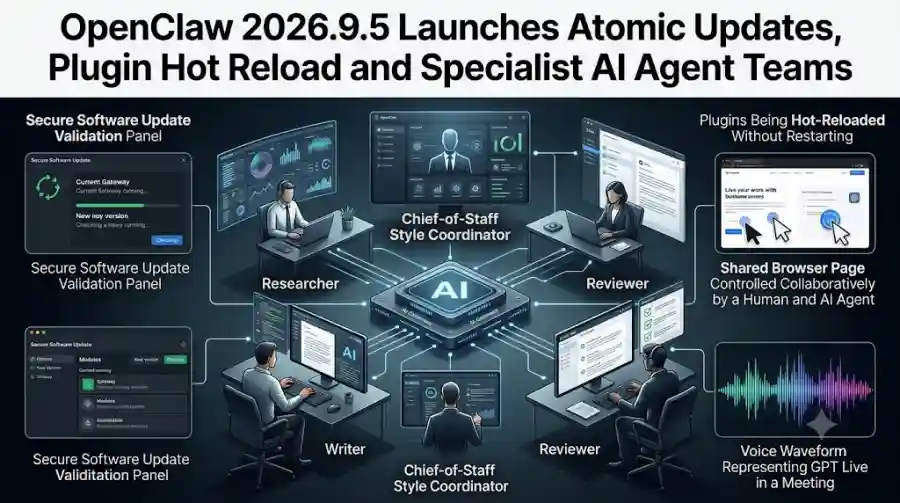
AI Agent
An AI agent is a specific software system designed to complete tasks.
Examples:
- Research agents
- Coding agents
- Customer support agents
- Scheduling agents
Agentic AI
Agentic AI is the broader concept that enables these systems.
You can think of it like this:
- AI Agent = Individual worker
- Agentic AI = Overall approach and capability
Some experts describe agentic AI as the broader system-level behavior, while AI agents are the individual components performing actions.
How Agentic AI Actually Works
Although implementations vary, most agentic systems follow a similar loop.
Step 1: Receive a Goal
The system receives an objective.
Example:
"Research the best CRM software for small businesses."
Step 2: Create a Plan
The AI breaks the goal into smaller tasks.
Possible plan:
- Search products
- Compare features
- Analyze reviews
- Create summary
Step 3: Use Tools
The system accesses external resources.
Examples:
- Search engines
- APIs
- Databases
- Business software
Tool access is one of the defining characteristics of modern agentic systems.
Step 4: Evaluate Results
The AI reviews outcomes.
Did the search provide enough information?
Does another source need checking?
Are additional steps required?
Step 5: Adapt
If necessary, the system changes its strategy.
This ability to adjust based on outcomes separates agentic systems from rigid automation.
Step 6: Complete the Goal
The final result is delivered.
Then the system stops or waits for additional instructions.
The Agentic AI Loop
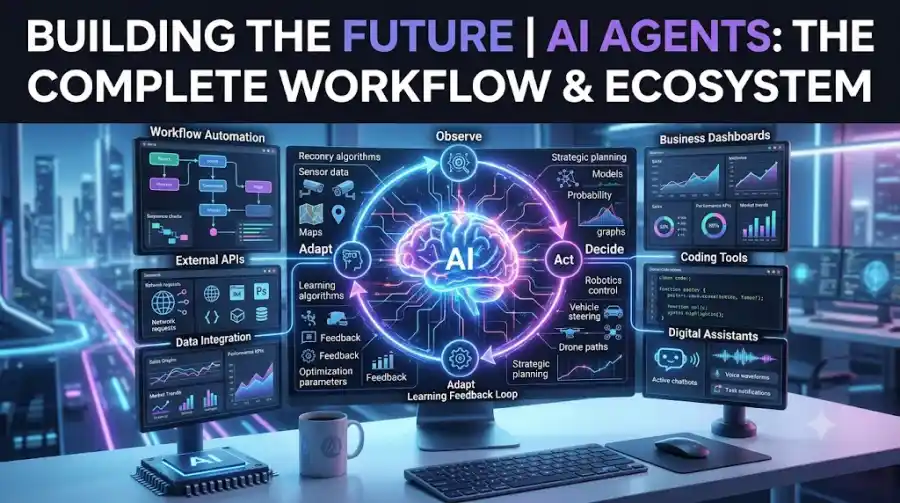
Many experts describe Agentic AI using a simple cycle:
Observe
Gather information.
Decide
Choose the next action.
Act
Perform the action.
Review
Analyze the outcome.
Repeat
Continue until the goal is achieved.
This repeated decision-action-feedback process is considered the core mechanism behind agentic systems.
Real-World Examples of Agentic AI
Agentic AI is already being used today.
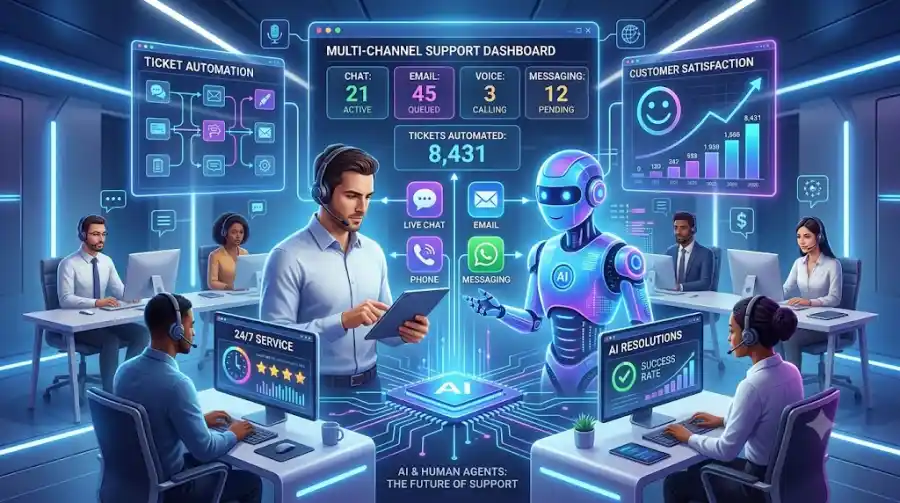
Customer Support
AI agents can:
- Handle requests
- Retrieve account information
- Escalate complex cases
- Follow up automatically
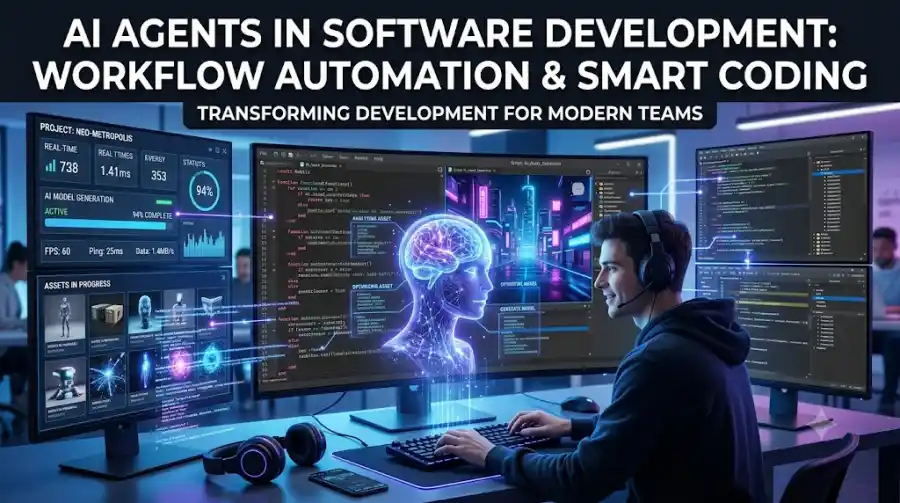
Software Development
Coding agents can:
- Write code
- Run tests
- Debug issues
- Create documentation
Several modern coding systems already demonstrate agentic behavior by completing multi-step development workflows.
Research
Research agents can:
- Search multiple sources
- Compare findings
- Generate reports
- Summarize information
Sales
Sales-focused systems can:
- Identify prospects
- Personalize outreach
- Track interactions
- Schedule follow-ups
Small Business Operations
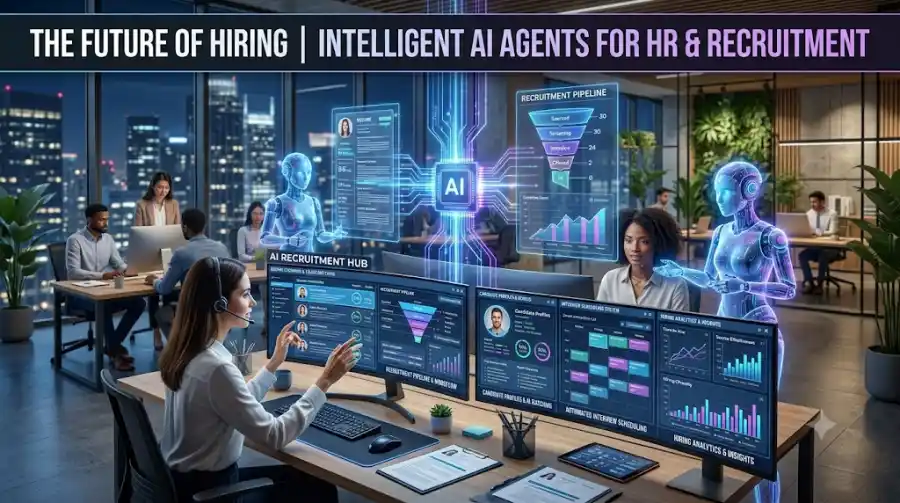
Businesses increasingly use agentic workflows for:
- Lead qualification
- Appointment scheduling
- Reporting
- Administrative automation
Benefits of Agentic AI
Increased Productivity
Routine tasks can be completed faster.
Reduced Repetitive Work
Employees spend less time on manual processes.
Better Scalability
Businesses can manage larger workloads without proportionally increasing staff.
Faster Decision Support
Systems can gather and organize information more quickly.
Continuous Operation
Unlike humans, software can operate continuously when properly supervised.
These benefits are among the primary reasons organizations are investing heavily in AI-agent technologies.
Challenges and Risks
Agentic AI is powerful, but it isn't perfect.
Incorrect Decisions
AI can misunderstand goals.
Tool Misuse
Improper permissions can create problems.
Security Concerns
Access to sensitive systems requires careful controls.
Hallucinations
AI can still produce inaccurate information.
Oversight Requirements
Human review remains important for critical tasks.
Most experts recommend keeping humans involved for important decisions and high-risk workflows.
Why Agentic AI Matters in 2026
Agentic AI matters because it changes what software can do.
For decades, software followed rules.
Humans directed every step.
Agentic systems can now:
- Interpret goals
- Plan actions
- Use tools
- Adapt dynamically
This shift has implications across:
- Business
- Education
- Healthcare
- Software development
- Customer support
- Marketing
- Research
The growing interest in agentic AI reflects a broader movement toward AI systems capable of handling increasingly complex workflows. OECD analysis notes that interest in the concept surged sharply as AI systems became more capable of planning and acting in agent-like ways.
Frequently Asked Questions
- Is Agentic AI the same as AI agents?
- Is Agentic AI the same as AI agents?
No. AI agents are individual systems, while Agentic AI refers to the broader capability of goal-directed action and autonomy.
- Is Agentic AI different from ChatGPT?
Traditional chat interfaces primarily generate responses. Agentic systems extend that capability with planning, memory, tool use, and action execution.
- Does Agentic AI work without humans?
Some tasks can be handled autonomously, but human oversight remains important for sensitive or high-impact decisions.
- Is Agentic AI the future of artificial intelligence?
Many technology companies and researchers view agent-based systems as a major direction for AI development because they move beyond content generation into goal-oriented action.
Agentic AI represents one of the most important shifts happening in artificial intelligence today. The focus is moving away from systems that simply generate answers and toward systems that can pursue goals, make decisions, use tools, and complete meaningful work.
Whether you're a business owner, developer, marketer, researcher, or content creator, understanding Agentic AI now will help you understand where modern AI is heading next.
The future of AI may not be defined by who can generate the best response.
It may be defined by who can take the most useful action.