In a world ruled by slick, all-glass smartphones, something unexpected is happening: the physical keyboard is making a quiet but powerful comeback. At the center of this revival? The unmistakable DNA of BlackBerry—yes, you read that right.
But this isn’t a story about BlackBerry the company. It’s about the legacy it left behind, the die-hard community that refused to let go, and the innovators who are now reimagining what mobile typing can feel like in 2025.
The Rise, Fall, and Return of the QWERTY Keyboard
When BlackBerry Limited shifted its focus to software and cybersecurity, it made perfect business sense—but it also left a massive hole for fans of physical keyboards. Devices like the BlackBerry KEYone and KEY2 tried to bridge the gap for a while, but once licensing deals expired, so did hopes for a new, true keyboard phone.
Still, the desire never died. Forums buzzed with speculation, YouTubers kept the dream alive, and niche communities on social media held fast to their tactile loyalty. And now? That dream is turning into reality.
Meet the Zinwa Q25: A Bold Rebirth of the BlackBerry Classic
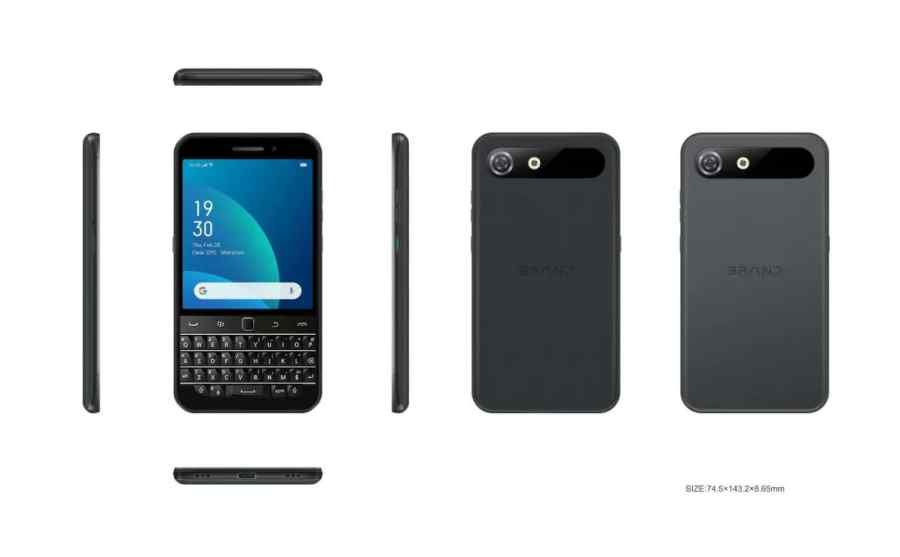
Enter the Zinwa Q25, a device that’s lighting up the BlackBerry-enthusiast world—and with good reason. Created by Chinese tech company Zinwa Technologies, the Q25 is more than a nostalgic throwback. It’s a loving, high-powered tribute to the iconic BlackBerry Classic (Q20), updated for the modern age.
You still get that signature 720x720 square display and the satisfying click of a full QWERTY keyboard—but now it's running Android 13 instead of the long-retired BlackBerry 10 OS. Under the hood, it's powered by a MediaTek Helio G99 processor, paired with 12GB of LPDDR4x RAM and 256GB of UFS 2.x storage. It even sports a 50MP main camera and a 3,000mAh battery—a solid step up from the original.
And Zinwa’s not just selling pre-built phones (which go for around $400); they’re also offering a DIY conversion kit for $300. Got an old BlackBerry Classic gathering dust in a drawer? You can now upgrade it yourself by swapping out its internals. That kind of option speaks volumes about how seriously the company is taking its audience—this isn’t just about commerce, it’s about community.
With shipping beginning in early August 2025, excitement is building fast. For the first time in years, there’s genuine buzz around a BlackBerry-style phone—and it's all thanks to enthusiasts who never gave up on the click.
Unihertz Titan 2: The Other Contender for Keyboard Royalty
Zinwa’s not alone. Unihertz, another player in this niche space, has been steadily winning over fans with its QWERTY-equipped devices. Their latest release, the Titan 2, is best described as a spiritual successor to the BlackBerry Passport, complete with a bold, wide design and that all-important keyboard.
The Titan 2 comes packed with modern specs: Android 15, a Dimensity 7300 5G chip, 12GB of RAM, and 512GB of storage. It’s a serious machine built for people who want tactile typing and top-tier performance. While its camera system may not rival flagship phones, users consistently praise its sturdy build and responsive keys.
These aren’t novelty devices. They’re serious tools built for a specific kind of user—someone who values precision, productivity, and the art of real typing.
Why Keyboards Still Matter in 2025
So, what’s fueling this revival? It’s more than nostalgia. The physical keyboard still has a loyal base, and for good reason:
- Tactile Feedback: The feel of a real key press gives immediate confirmation. You don’t need to second-guess if a letter was tapped—you know it was.
- Speed and Accuracy: Glass keyboards have come a long way, but for many, physical keys still mean fewer typos and faster writing—especially for emails or fast messaging.
- Focus and Productivity: Keyboard phones subtly encourage a different relationship with your device. Less swiping. More doing. They’re tools for creating, not just consuming.
- Reduced Distractions: With a more purposeful design and limited screen real estate, these phones help users break free from the endless scroll of apps and notifications.
A Market Ready for Choice
The return of phones like the Zinwa Q25 and the Titan 2 shows that mobile tech in 2025 is finally mature enough for diversity. Not everyone wants a 6.7-inch slab of glass. For some, the joy of a physical keyboard isn’t just about typing—it’s about taking control of how they use their device.
This isn’t about going backward. It’s about rediscovering what worked—what felt right—and blending it with modern software and hardware.
In the end, the BlackBerry keyboard is back. Not through its original maker, but through the passion of users and creators who still believe that typing should feel good. Whether you’re a former BlackBerry devotee or just curious about life beyond the touchscreen, 2025 might just be the year you fall in love with the click all over again.