In today’s world, we live in a strange paradox. The things that truly matter—the ones that bring value, peace, and meaning—are often the hardest and most expensive to attain. Meanwhile, what comes in abundance usually offers the least fulfillment. A striking way to frame this is through the observation: “World peace has become very expensive, and noise has become cheap.”
This simple line carries a deep truth. Achieving peace, whether in our personal lives or on a global scale, demands conscious effort, discipline, and often sacrifice. On the other hand, distraction, conflict, and endless information overload—the “noise” of our times—are available everywhere, costing us almost nothing financially but demanding much from our attention and mental well-being.
Smartphones as the Perfect Example
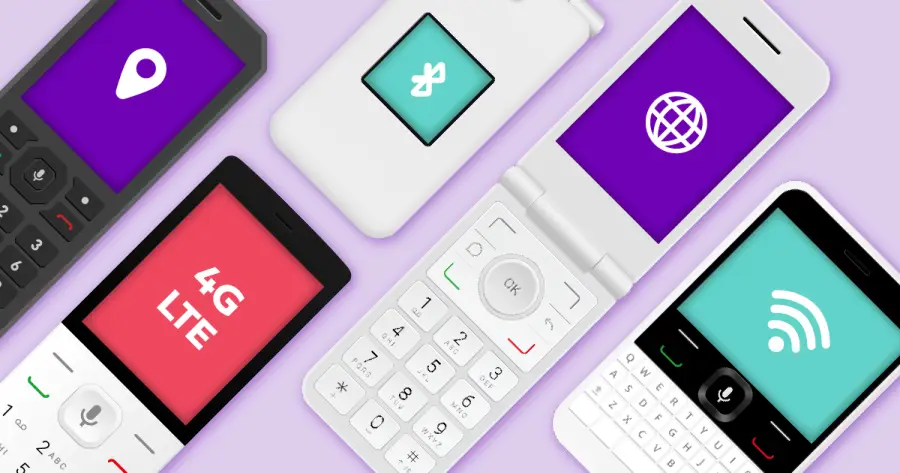
Nowhere is this paradox more visible than in the consumer electronics market. Consider the contrast between two types of phones: the cheap, feature-packed smartphone and the intentionally minimalist feature phone.
The Noise of Cheap Smartphones
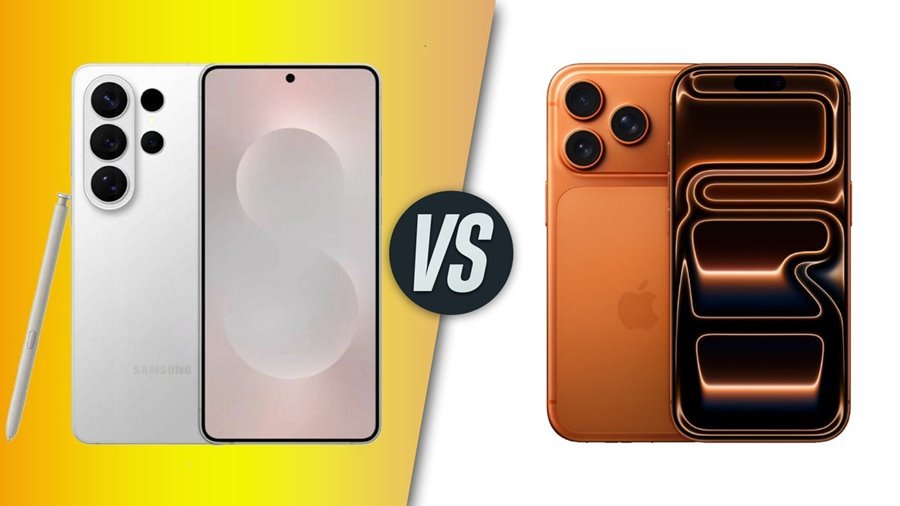
Basic smartphones have become astonishingly affordable. Today, brands like Xiaomi, Motorola, or Samsung offer models for as little as $100–$200. Phones like the Samsung Galaxy A series or the Motorola Moto G are designed to give you everything at once: social media apps, games, internet access, and an endless stream of notifications.
This affordability has made it easy for billions to stay connected 24/7. But there’s a hidden cost: your focus. These phones represent the “cheap noise” of the digital age—constant updates, notifications, and distractions that may look convenient but quietly erode peace of mind.
The Peace of Expensive Feature Phones
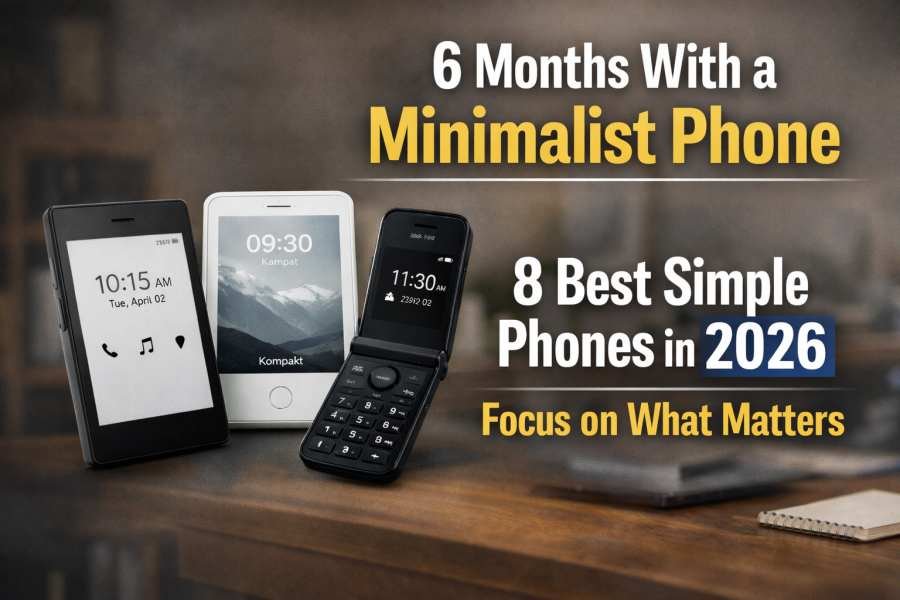
Now flip the script. Phones built to limit distractions and promote intentional living surprisingly cost more. Take the Light Phone II—crafted only for calls, texts, and a handful of essentials. It has no internet browser, no social media, no email, yet it sells for around $299. That’s more than many functional smartphones.
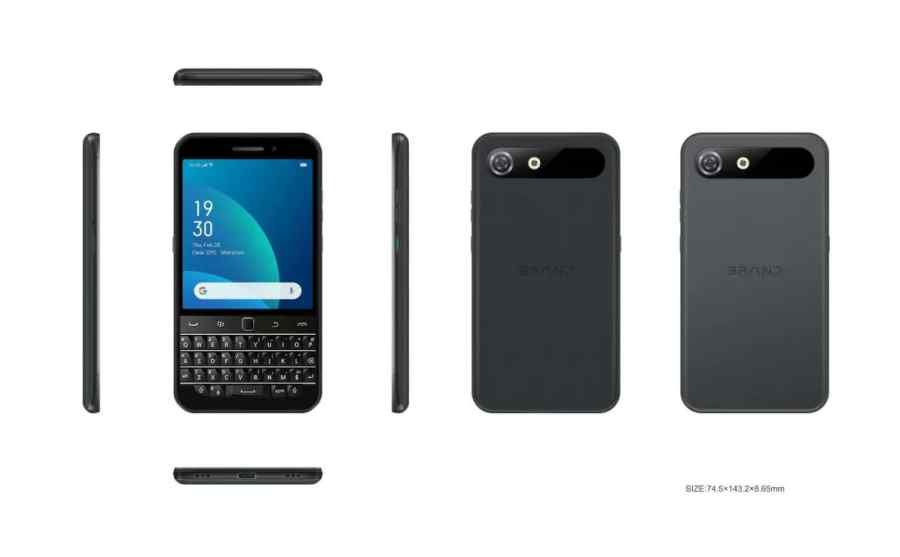
Or consider the Fairphone 5. Built for sustainability, repairability, and longevity rather than flashy specs, it costs well over $500. These devices are expensive not because they are feature-rich, but because they embody different values: durability, sustainability, and above all, focus.
Beyond Gadgets: A Reflection of Values
This difference in pricing reveals something deeper. Buying a cheap smartphone means buying into a system that thrives on your constant engagement. The low cost nudges you into a cycle of consumerism and distraction, where the real expense is psychological—the toll of being always “on” and never truly at rest.
On the other hand, choosing a minimalist phone is like paying for peace. You’re not just purchasing hardware; you’re making an investment in your time, presence, and ability to live without constant interruptions. This is what makes peace “expensive”—it requires conscious effort and a willingness to step away from the noise.
And this truth extends beyond technology. Real personal peace—whether it comes from meaningful relationships, purpose-driven work, or inner calm—never comes cheap. It requires patience, effort, and sometimes discomfort. Meanwhile, the “cheap noise” of gossip, online trends, and endless scrolling is always within reach, ready to fill the silence without ever offering depth.
Choosing What to Pay For

The point here isn’t to demonize technology. Rather, it’s a reminder to recognize the real value of what we consume, both digitally and in daily life. Just like sustainable, distraction-free phones cost more because they stand on principle, peace in our own lives also demands deliberate investment—of time, energy, and intention.
Noise will always be offered for free. Peace, however, must be earned. The real challenge for us is to step back, re-evaluate our priorities, and consciously choose to invest in the things that matter: tranquility, genuine connection, and clarity of mind.
Because in the end, while noise may come cheap, peace will always be priceless.