In a time when every smartphone looks like a sleek glass rectangle and swiping reigns supreme, the return of physical keyboards might seem like a curious twist in tech’s evolution. But here we are in 2025, and that familiar click beneath your thumbs isn’t just a throwback—it’s a modern-day feature making a quiet, meaningful comeback.
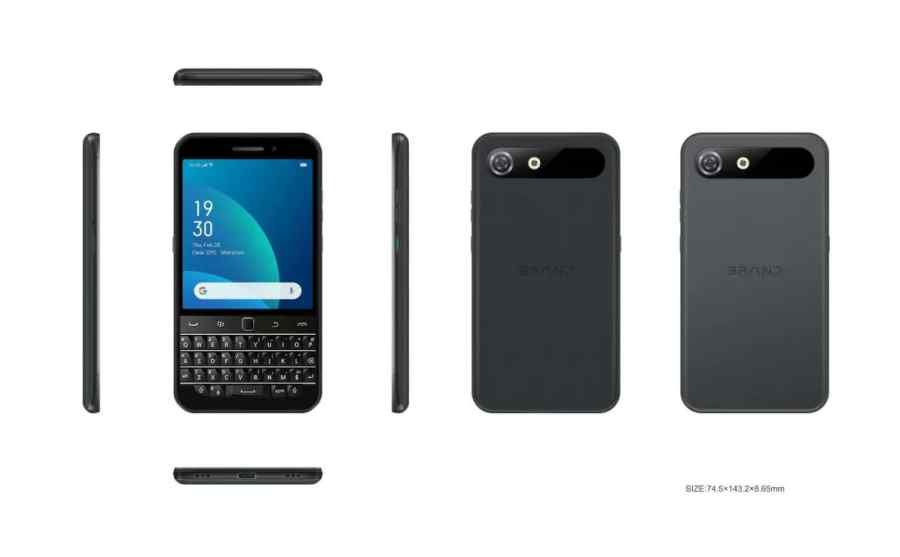
This isn’t just about missing the good old days of BlackBerry. It’s about function over flash, about the comfort and clarity that comes with real, tactile typing. Devices like the freshly launched Zinwa Q25, a faithful reboot of the BlackBerry Classic with a modern Android soul, and the rugged Unihertz Titan 2, a powerhouse keyboard phone that echoes the Passport’s legacy, are winning over a small but passionate group of users who crave something different—and better.
Let’s explore why, in 2025, the physical keyboard still has real staying power.
1. Typing That Feels Right: Tactile Feedback & Accuracy
The biggest draw of a physical keyboard is simple: you can feel it.
That satisfying click, the slight resistance with each key press—it’s more than just comforting; it’s functional. While touchscreens have come a long way, they still struggle to offer the same kind of feedback that helps you type faster, more accurately, and with confidence.
- Fewer Typos: Feeling each key helps reduce accidental presses.
- Faster Typing (for many): Once your thumbs get reacquainted, muscle memory kicks in. You might find yourself typing full messages without even glancing down—a rare feat on glass.
For long emails, note-taking, or anyone who types more than a sentence at a time, the physical keyboard isn’t a gimmick—it’s a game changer.
2. Designed for Focus: A Tool for Getting Things Done
The modern smartphone is a portal to everything—and, sometimes, that’s the problem. Infinite feeds, push notifications, and app after app can turn our phones into distraction machines.
Physical keyboard phones flip that dynamic.
- Intentional Use: Picking up one of these devices often means you're about to write, not just scroll. That shift in mindset can help you stay more present and productive.
- Less Clutter: Without a pop-up keyboard covering half your screen, your focus stays on the content. It's a small detail that makes a big difference—especially for professionals and writers who want to stay in the zone.