When most people hear the name BlackBerry, their minds drift to a different era—one of thumb-typed emails, BBM notifications, and suits in boardrooms hunched over those iconic keyboard phones. But if you're still picturing a phone company, you're looking at a version of BlackBerry that's long gone. As of August 2025, BlackBerry Limited has quietly—and impressively—transformed itself into a leader in two of the most critical tech sectors of our time: cybersecurity and the Internet of Things (IoT).
This isn’t a story of fading into obscurity. It’s a story of smart reinvention.
From Phones to Firewalls: BlackBerry’s Strategic Evolution
Let’s face it—the smartphone space became a battleground dominated by giants like Apple and Google. Rather than trying to compete on that playing field, BlackBerry Limited made a bold pivot. It leaned into what it had always done best: security.
Years ago, the company officially exited the hardware business, ending licensing deals and retiring its legacy operating systems. That tough decision allowed BlackBerry to shift all its focus to what it saw as the future: keeping the world secure and connected through software.
Today, BlackBerry Limited operates on two major fronts:
- Cybersecurity
- Intelligent Systems / IoT (powered by QNX)
A Powerhouse in Cybersecurity
BlackBerry’s approach to cybersecurity is grounded in its decades-long reputation for secure communications. But this isn’t just about keeping emails private anymore—it’s about protecting entire organizations, critical infrastructure, and governments from the ever-growing threat of cyberattacks.
Here are some of the key platforms driving BlackBerry’s success:
- BlackBerry Cylance: Think of this as an AI-powered bodyguard for your data. Instead of waiting to respond to threats, Cylance predicts and prevents them before they even begin. It uses machine learning to stay ahead of attackers—a proactive approach that’s becoming essential in today’s threat landscape.
- BlackBerry UEM (Unified Endpoint Management): In the age of remote work and BYOD (Bring Your Own Device), securing every laptop, phone, tablet, and wearable within a company is a massive challenge. UEM provides a centralized solution to manage and secure all those endpoints—keeping corporate data safe across the board.
- SecuSUITE for Government: Governments and high-security industries need ironclad communication tools. SecuSUITE delivers just that, offering encrypted voice and messaging to protect sensitive conversations from prying ears.
Rather than making headlines for flashy phones, BlackBerry Limited now shows up in discussions about threat prevention, compliance, and secure infrastructure. Their leadership team speaks at investor conferences not about new devices, but about endpoint protection and software expansion. It's a whole different league.
Quietly Dominating the IoT World with QNX
Beyond cybersecurity, BlackBerry has become a major player in the IoT space, thanks to its real-time operating system, QNX. While most consumers have never heard of it, QNX is the invisible software powering millions of essential systems around the globe.
Where is QNX making an impact?
- Automotive: This is where QNX truly shines. It’s currently embedded in over 255 million vehicles, supporting everything from infotainment and digital dashboards to advanced driver-assistance systems (ADAS) and even self-driving technologies. If you’ve used a high-tech car display recently, chances are QNX was behind the scenes.
- Medical Devices: From infusion pumps to diagnostic machines, QNX provides the ultra-reliable software backbone that powers life-critical tools.
- Industrial Automation & Robotics: In factories and robotics systems, QNX delivers real-time performance and pinpoint control—essential for precision manufacturing and automation.
- Aerospace & Defense: When reliability and security are non-negotiable, like in fighter jets or communication systems, QNX is trusted to perform under pressure.
BlackBerry's press releases now highlight new QNX deployments, strategic partnerships, and advancements in developer tools for IoT applications. Their business model is focused on licensing their software to manufacturers and integrators—ensuring that everything from your car to your hospital equipment runs securely and smoothly.
Reinvention Done Right
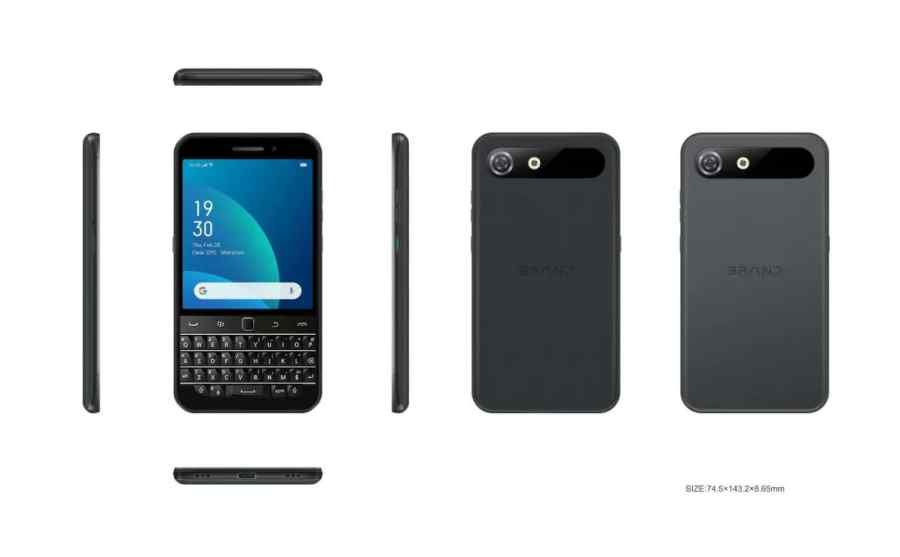
BlackBerry Limited’s transformation is more than just a pivot; it’s a masterclass in corporate reinvention. While others tried to revive the glory days of keyboard phones (with some success from third-party makers like Zinwa and Unihertz), BlackBerry Limited moved on—and up.
Today, the company isn’t trying to capture attention with nostalgia. Instead, it’s building the digital infrastructure of tomorrow—where security, reliability, and real-time intelligence are non-negotiable.
From defending critical infrastructure to helping cars drive themselves, BlackBerry Limited has found new relevance far beyond the consumer tech spotlight.
So yes, while others are enjoying the retro charm of physical keyboards, BlackBerry Limited has taken its legacy of trust and security and built a future in which it’s more relevant—and essential—than ever.