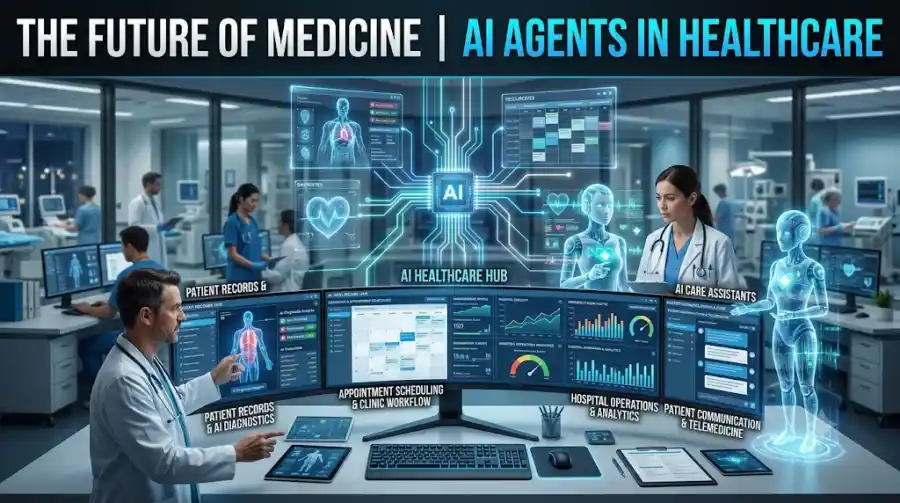
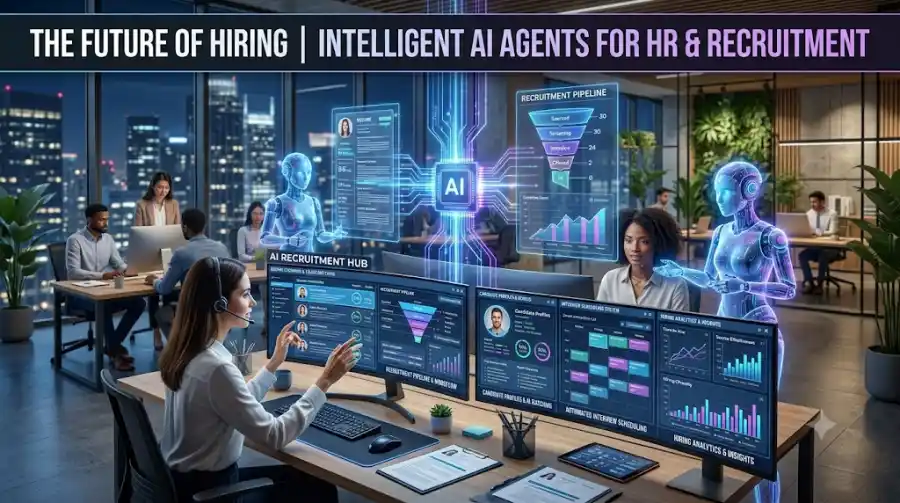
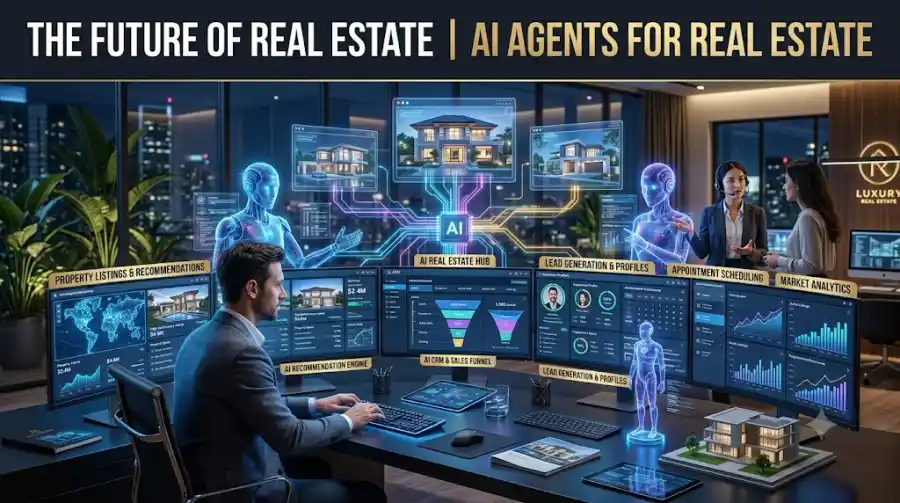
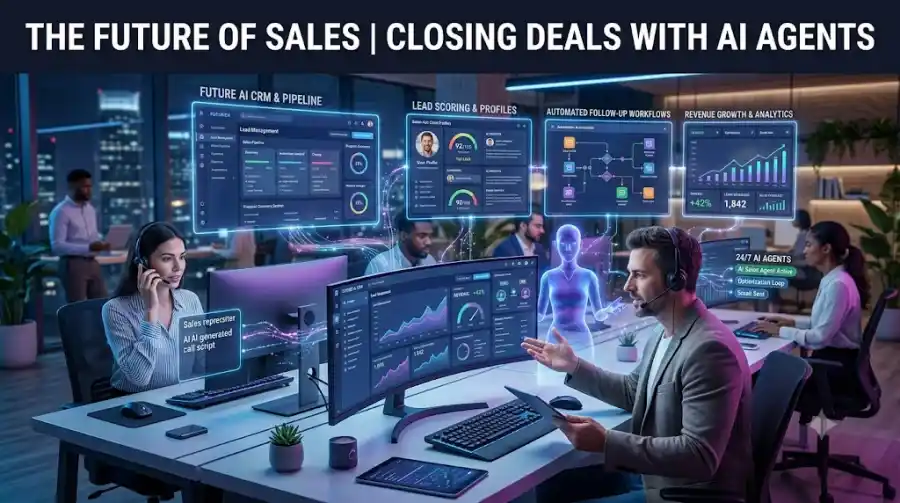
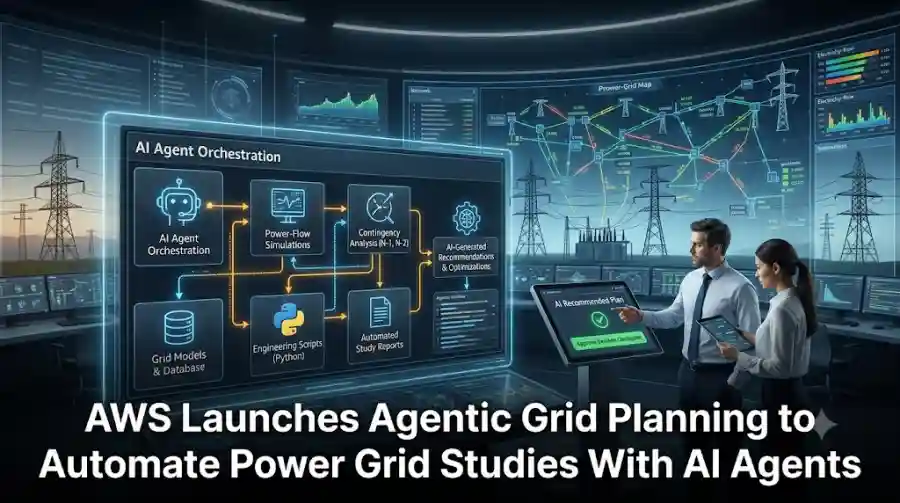
The year is 2026, If 2024 was the year we met Artificial Intelligence, and 2025 was when we tested it, then 2026 will be the year we finally live and work with it.
Forget the basic chatbots and copy generators of the past. The next generation of AI tools won’t just be faster — they’ll be smarter, autonomous, and deeply integrated with your core business processes. For modern companies, adopting these AI systems isn’t a luxury anymore — it’s the entry ticket to staying relevant.
Here’s a journalist’s guide to the seven key AI breakthroughs that are set to become your most valuable digital employees in 2026.
1. Agentic AI: The Autonomous Digital Workforce
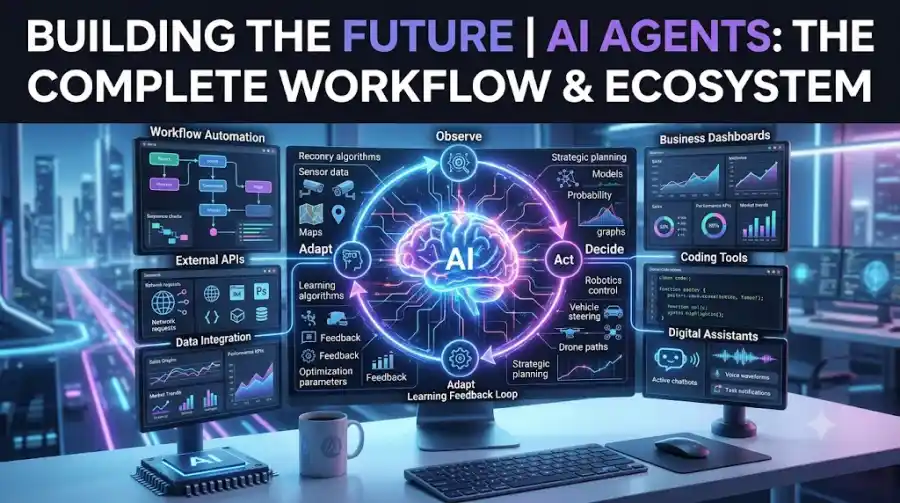
The biggest transformation in 2026 will be the shift from simple, task-based AI to Agentic AI — a new generation of intelligent agents capable of acting independently.
What It Is
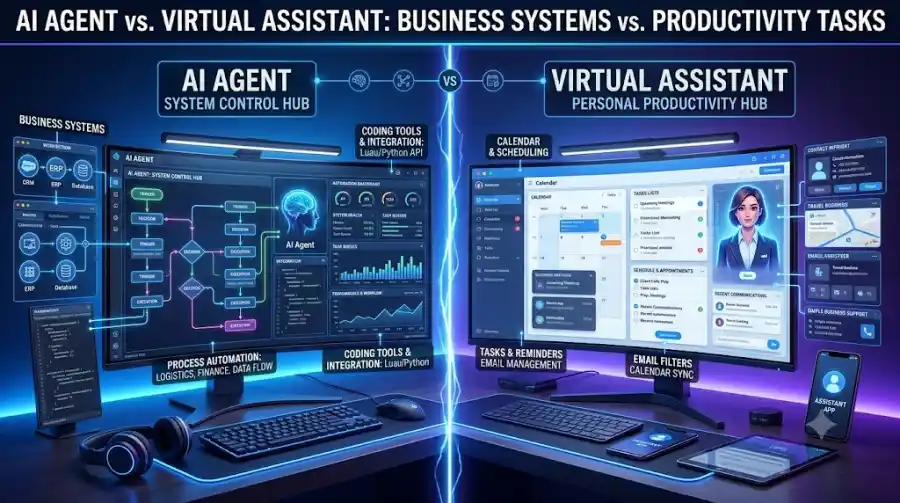
Agentic AI systems, powered by advanced models such as future versions of GPT or Claude, can set goals, break them down into steps, execute actions across multiple apps, and even modify plans if they hit obstacles — all with minimal human intervention.
The 2026 Business Impact
-
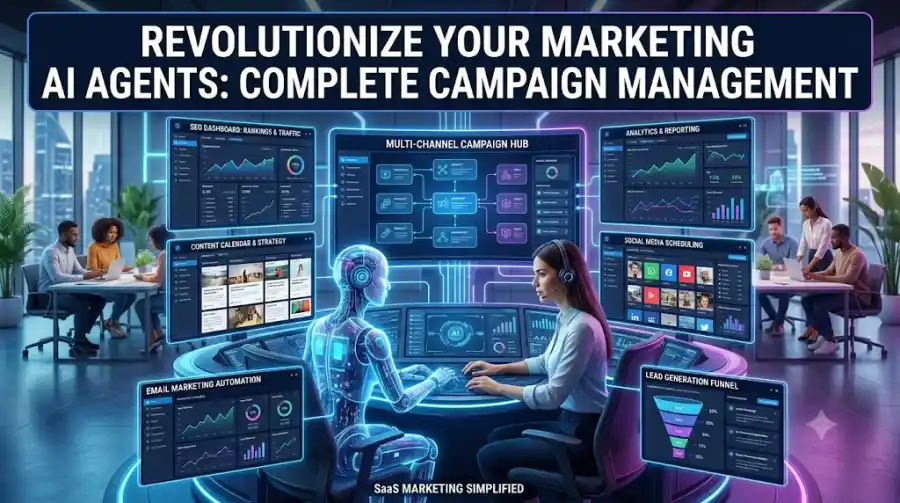
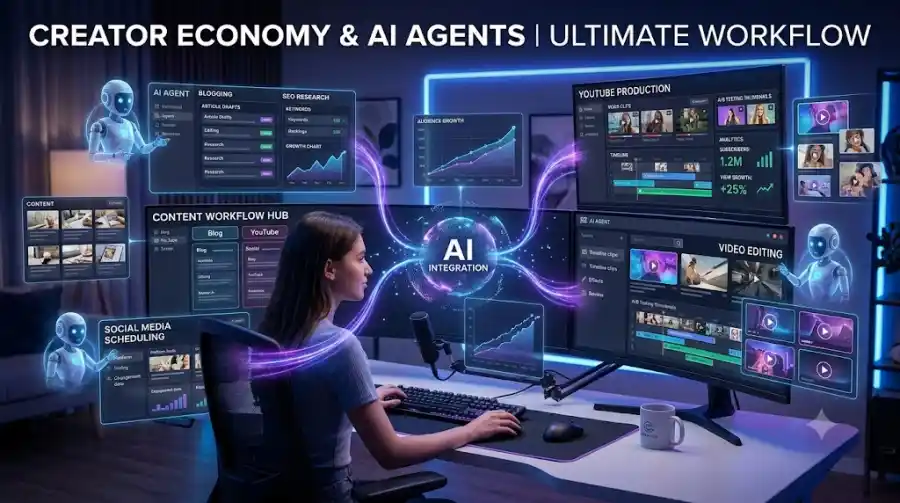
The Campaign Launch: Instead of manually writing a blog, creating visuals, and scheduling posts, an Agentic AI can handle everything from a single brief — for example, “Launch the Q3 product update across all channels.” It will research, draft, create video and image assets, schedule them in your CRM, and even run A/B tests automatically.
-
No More Silos: These AIs will become the connective tissue linking your e-commerce, CRM, and inventory systems, ensuring every part of your business operates seamlessly and autonomously.
2. Generative Video & 3D: Storytelling at Movie Scale
If 2025 was the year AI mastered text-to-image generation, 2026 will mark the rise of AI-generated video. Tools like Sora (OpenAI) and Veo (Google) will evolve from experimental demos into essential marketing tools.
What It Is
These advanced multimodal tools can create cinematic, high-definition videos, realistic 3D product mockups, and immersive visual content from simple text prompts. Integrated into design suites like Canva’s Magic Studio and Adobe Firefly, they’ll make professional-grade production accessible to any small business.
The 2026 Business Impact
-
Product Demos: Need a video showing your app being used in a café? You’ll be able to generate it instantly, cutting production costs dramatically. High-quality visuals will become affordable and universal.
-
Hyper-Realistic Marketing: Brands will produce hundreds of unique, high-quality ad variations daily, customizing visuals for specific audience segments — a level of personalization previously unimaginable.
3. The "AI-In-Everything" Productivity Suite
You won’t buy “AI software” anymore — AI will simply be built into every tool you already use.
The Tool
The competition between Microsoft Copilot (for the 365 ecosystem) and Gemini for Google Workspace will intensify. These systems are moving beyond summarizing emails to offering proactive, contextual assistance within every app.
The 2026 Business Impact
-
Proactive ERP: Accounting tools such as QuickBooks AI or upcoming SAP/Oracle modules won’t just track data — they’ll detect spending trends and draft budget revisions automatically.
-
Decision-Making Revolution: Executives will shift from dashboards to conversational analytics, asking questions like, “How did my risk-adjusted returns change across Asia-Pacific last week?” and receiving instant, chart-supported insights.
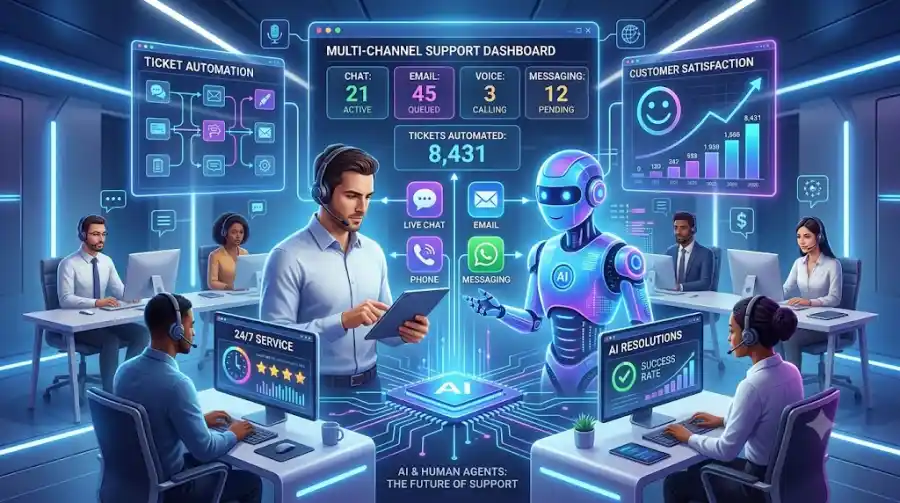
4. Intelligent Customer Experience (CX) Agents
The frustrating, robotic chatbot era is over. The new generation of CX tools will deliver human-level conversational experiences backed by massive, proprietary knowledge bases.
The Tool
Next-generation Retrieval-Augmented Generation (RAG) systems — provided by vendors like Ada or integrated into platforms like Salesforce Einstein — will form the backbone of this evolution.
The 2026 Business Impact
-
Context-Aware Support: These AIs will understand your company’s knowledge base and each customer’s entire history — purchases, service records, browsing data, and more.
-
Resolution & Deflection: They’ll handle a much higher volume of complex cases without human escalation, saving costs and improving satisfaction. The result: always-on, human-quality support — 24/7/365.
5. AI-First Security & Trust Tools
As AI becomes the backbone of business, security and trust will become non-negotiable.
What It Is
New platforms are emerging to manage AI system outputs using Explainable AI (XAI), watermarking, and ongoing security audits. Companies like Darktrace are evolving to counter new AI-driven threats.
The 2026 Business Impact
-
Bias Detection: AI tools will continuously scan hiring algorithms and marketing content for hidden bias, ensuring compliance and fairness.
-
Authenticity is King: Expect watermarking and cryptographic proofs to become industry standards for AI-generated content. This transparency will help verify authenticity in critical areas like finance and news — protecting businesses from deepfakes and misinformation while strengthening consumer trust.
6. Hyper-Personalized Marketing Automation
Marketing in 2026 won’t just target audiences — it will target individuals, automatically and intelligently.
The Tool
Platforms like HubSpot AI and Jasper AI (now focusing on Brand Voice and Compliance) are leading the charge in hyper-personalized content automation.
The 2026 Business Impact
-
Individualized Campaigns: AI will analyze each customer’s browsing activity and purchase history to create unique email subject lines, product visuals, and body copy — customized per user — driving higher conversions.
-
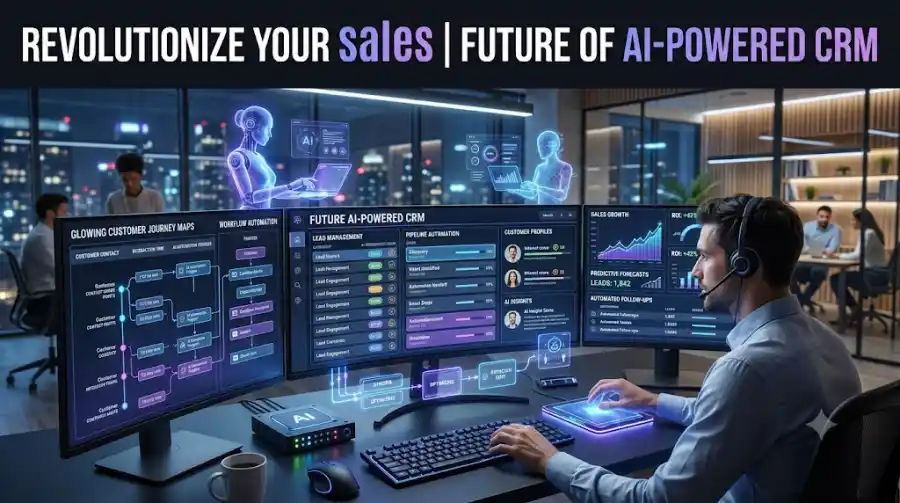
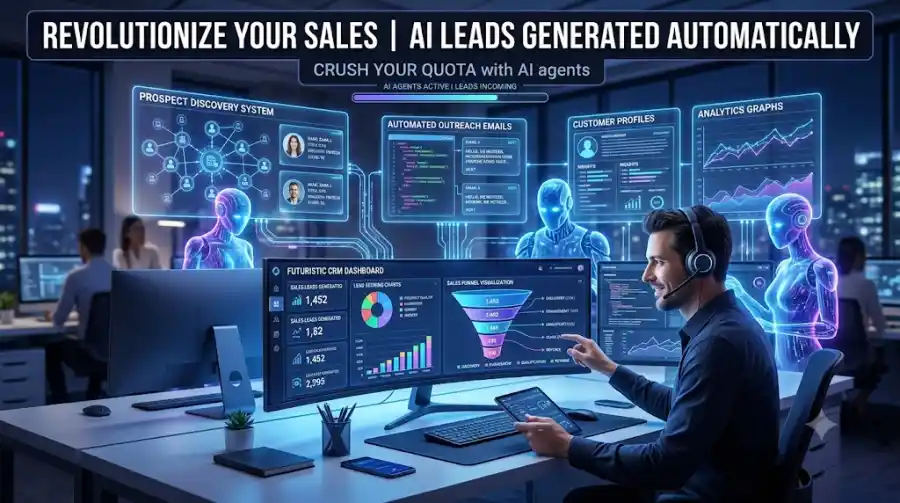
Predictive Sales: AI will guide sales teams with data-driven insights, predicting exact talking points likely to persuade each prospect, creating real-time, adaptive sales scripts.
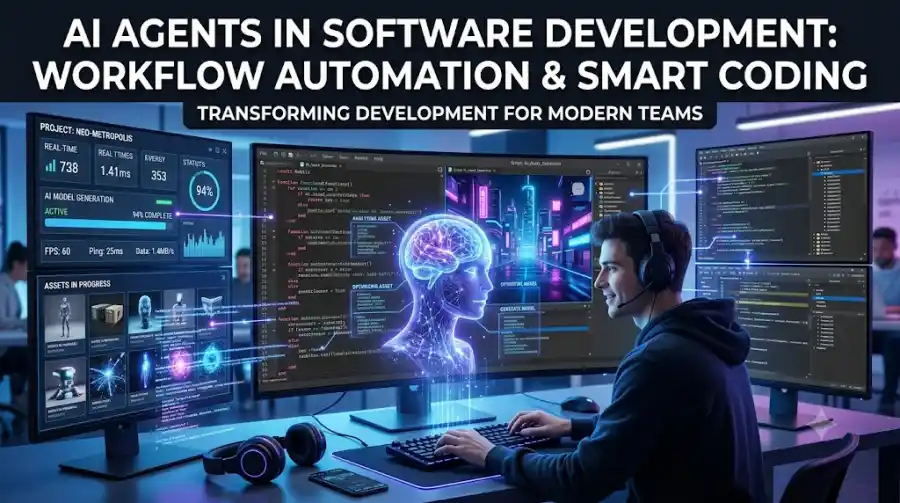
7. Code Agents & Low-Code/No-Code Empowerment
Building software will no longer require a massive tech team — AI will do the heavy lifting.
The Tool
By 2026, GitHub Copilot will evolve into a true code-generation agent, capable of writing complex, reliable code autonomously. Meanwhile, No-Code platforms like Bubble and Webflow will integrate AI that allows anyone to describe an app in plain English — and see it built instantly.
The 2026 Business Impact
-
Democratization of Tech: Small and medium businesses will create tailored tools — from inventory trackers to workflow systems — without expensive developers.
-
Faster Innovation: Development timelines will shrink from months to weeks, empowering rapid testing, iteration, and deployment of new features.
Your 2026 Action Plan
The future of business isn’t about working harder — it’s about working smarter with intelligent digital partners.
The technology is ready. The companies that lead in 2026 will be those that stop treating AI as a “side experiment” and start using it as the core infrastructure of their daily operations.