The Strongest Hero in Marvel Rivals Might Not Be a Hero at All—It Might Be the Combination
Most players look for the strongest individual character.
That makes sense.
Powerful abilities can dominate fights.
High damage heroes can secure eliminations.
Strong defensive characters can protect objectives.
But Marvel Rivals introduces another layer of strategy:
Team-Up Mechanics.
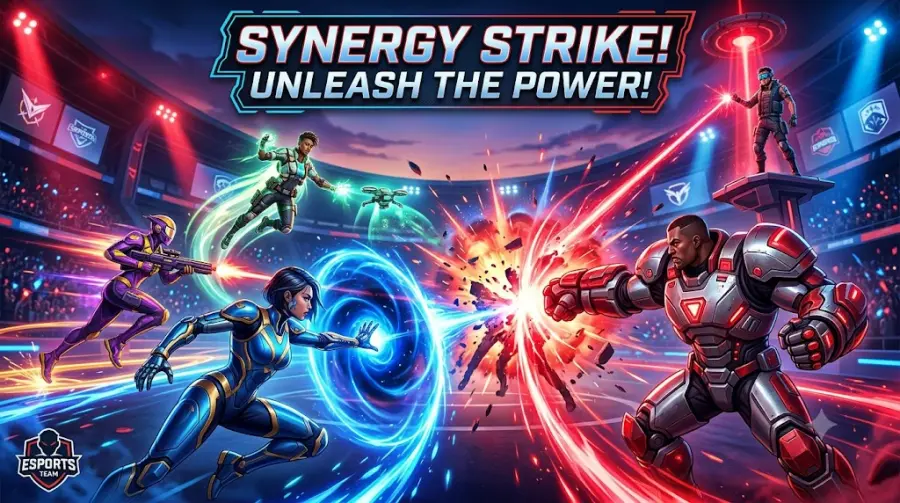
When heroes combine abilities effectively, entire matches can change.
A well-coordinated team-up often creates more impact than any single ultimate ability.
Players who understand these interactions gain a significant edge in ranked play.
What Are Team-Up Mechanics?
Team-Up mechanics allow heroes to create unique interactions when paired together.
These combinations can provide:
- Additional damage
- Utility effects
- Mobility advantages
- Defensive value
- Objective control
The result is a more team-focused competitive environment.
Why Team Synergy Matters
Many players evaluate heroes individually.
That approach misses a huge part of the game.
Strong teams focus on:
- Ability combinations
- Ultimate coordination
- Positioning synergy
- Objective control
A balanced team often defeats stronger individual players.
Understanding the Current Meta
The meta changes whenever:
- Balance updates arrive.
- New heroes enter the roster.
- Team compositions evolve.
- Players discover stronger strategies.
Adaptation remains essential.
Characteristics of Strong Hero Combinations
Successful hero pairings generally provide:
Reliable Engagements
Creating safe opportunities to begin fights.
Consistent Damage
Maintaining pressure throughout engagements.
Survivability
Helping teammates stay active longer.
Objective Control
Influencing important areas of the map.
Best Ranked Team Philosophy
Ranked success often depends on structure.
Strong teams usually include:
- Frontline pressure
- Damage output
- Utility support
- Mobility options
Balance creates flexibility.
Why Ability Timing Matters
Even powerful abilities can fail if used incorrectly.
Good timing improves:
- Team coordination
- Damage efficiency
- Objective control
- Survivability
Coordination often beats raw mechanics.
Counter Picks and Adaptation
Every strategy has weaknesses.
Strong players learn how to:
- Identify threats.
- Adjust team compositions.
- Change positioning.
- Manage resources.
Counterplay remains a critical skill.
Common Ranked Mistakes
Ignoring Team Composition
Individual comfort matters.
Team balance matters more.
Overlapping Roles
Too much duplication reduces flexibility.
Poor Ultimate Coordination
Powerful abilities require planning.
Chasing Eliminations
Objectives still win games.
Map Awareness and Team-Ups
Different maps reward different strategies.
Players should consider:
- Sightlines
- Objective locations
- Mobility routes
- Defensive positions
Environment influences effectiveness.
Communication Creates Advantages
Successful teams frequently communicate:
- Engagement plans
- Ability cooldowns
- Enemy locations
- Objective priorities
Information creates opportunities.
Best Strategy for Climbing Ranked
Players seeking consistent progress should focus on:
- Team synergy.
- Communication.
- Positioning.
- Adaptability.
- Objective control.
Consistency beats occasional brilliance.
How the Meta Evolves
As players discover new interactions:
- Hero popularity shifts.
- Team compositions change.
- Counter strategies emerge.
Learning quickly provides advantages.
Why Adaptability Wins Games
No composition remains dominant forever.
Successful players constantly:
- Learn new interactions.
- Experiment with combinations.
- Adjust to updates.
- Refine strategies.
Flexibility remains valuable.
Is Following the Meta Necessary?
Understanding the meta helps.
However, players should combine meta knowledge with personal strengths and team needs.
The strongest strategy is often the one your team executes effectively.
Advanced Team Coordination Concepts
Experienced teams frequently:
- Layer abilities carefully.
- Control engagement timing.
- Protect key teammates.
- Manage resources efficiently.
These habits improve consistency.
Marvel Rivals rewards teamwork more than many modern hero shooters.
While individual skill remains important, team-up mechanics, hero synergy, and coordinated strategy often determine the outcome of competitive matches.
Players who understand how heroes interact, communicate effectively, and adapt to evolving metas will consistently achieve better results.
In Marvel Rivals, the strongest hero isn't always an individual character.
Sometimes it's the combination.